How to Apply for CLAT: A Step-By-Step Guide For Law Aspirants
A complete walkthrough of the CLAT application process: Step-by-step registration on the Consortium portal, document specifications, fee payment, common pitfalls, and post-submission steps.

The Common Law Admission Test (CLAT), conducted by the Consortium of National Law Universities (NLUs), is India's most important national-level law entrance examination. It serves as the gateway for admissions into prestigious 5-year integrated undergraduate law programs (such as BA LL.B., BBA LL.B., and B.Com LL.B.) and postgraduate LL.M. programs across 24+ National Law Universities, including NLSIU Bengaluru, NALSAR Hyderabad, and WBNUJS Kolkata.
While mastering critical reasoning, legal aptitude, and reading comprehension is paramount, accurately completing the online registration is equally critical. A simple discrepancy in your name, date of birth, reservation category, or document upload can jeopardize your candidature or complicate post-exam counseling. This step-by-step guide walks you through the entire CLAT application process—from registration to fee payment and document verification.
Who Is Eligible to Apply for CLAT?
Before initiating the registration form, confirm that you fulfill the eligibility criteria established by the Consortium of NLUs:
Undergraduate Programme (CLAT UG)
- Passed or appearing in the 10+2 (Class 12) or equivalent examination.
- Minimum 45% aggregate marks for General / OBC / PWD / NRI / OCI candidates.
- Minimum 40% aggregate marks for SC / ST categories.
- No upper age limit exists for appearing in CLAT UG.
Postgraduate Programme (CLAT PG)
- Completed or appearing in an LL.B. degree or equivalent law graduation.
- Minimum 50% aggregate marks for General / OBC / PWD categories.
- Minimum 45% aggregate marks for SC / ST categories.
- No upper age limit exists for appearing in CLAT PG.
How to Apply for CLAT Online: The 11-Step Procedure
Access the Official Consortium Website
Navigate strictly to the official Consortium of NLUs website: consortiumofnlus.ac.in. Do not use unofficial or third-party registration links.
Register as a New Candidate
Click on "Register" and input your full name, active mobile number, active email address, and create a strong password. Communications regarding test centers, admit cards, and results will be sent to this registered phone and email.
Verify Your Account via OTP
Enter the One-Time Password (OTP) sent to your registered mobile number to activate your candidate account. Store your login credentials securely.
Fill in Personal Details
Enter your full legal name, date of birth, gender, nationality, category (General, SC, ST, OBC, EWS), communication address, and permanent address. Ensure all details match your official Class 10 marksheet exactly.
Provide Academic Qualifications
Input Class 10 board, school name, and marks. For Class 12, select 'Appearing' if you are currently studying, or enter your final aggregate score if you have already completed schooling.
Select Program & Test Center Preferences
Choose between the 5-Year Integrated Law (UG) or Postgraduate (PG) course. Select at least three preferred exam cities in order of convenience.
Upload Required Documents
Upload your recent passport-sized photograph (with a clear, plain background), scanned signature, and category/domicile certificates (if claiming reservation benefits) adhering strictly to specified file formats (JPEG/PDF) and size limits.
Thoroughly Review the Application Preview
Before proceeding to payment, inspect the preview screen carefully. Verify spelling of names, DOB, category status, uploaded photograph clarity, and test center order.
Pay the Application Fee Online
Pay the non-refundable application fee via net banking, debit/credit cards, or UPI. Save the payment transaction receipt immediately.
Final Submission of Application
Submit the application form and ensure the dashboard updates to indicate 'Submitted' status. Avoid waiting until the last hours of the deadline to bypass gateway bottlenecks.
Download and Archive Confirmation Page
Print out a hard copy of the submitted application form and save a digital PDF along with your Application Number for subsequent counseling rounds.
Documentation Checklist
Keep these documents ready before opening the registration portal:
✓ Valid Personal Mobile Number & Email ID: Must remain active until completion of admissions.
✓ Class 10 Marksheet / Certificate: For verifying exact legal spelling and Date of Birth.
✓ Class 12 Details / Marksheet: Roll number or passing certificate (if completed).
✓ Recent Passport Photograph: Front-facing, clear plain background, within prescribed KB limits.
✓ Scanned Signature: Crisp black or dark blue ink signature on white paper.
✓ Category / Domicile / PWD Certificates: Issued by competent state authorities (if claiming quota).
Common Registration Mistakes to Avoid
Name and DOB Discrepancies: Even minor spelling mismatches compared to your Class 10 certificate can cause rejection during counseling.
Blurry Document Uploads: Low-resolution or poorly cropped signatures and photos often trigger portal re-upload notices.
Applying in the Final Hours: Server traffic surges near the deadline frequently result in payment gateway timeouts and submission failures.
Selecting Wrong Reservation Category: You cannot easily switch categories later if you fail to upload valid supporting caste or domicile certificates.
What Happens After Submitting Your CLAT Application?
Submitting the form is the starting line of your admission process. Keep these upcoming milestones on your radar:
- Application Correction Window: Review announcements for opportunities to adjust exam city preferences or minor details.
- Admit Card Release: Download and print your official CLAT Admit Card containing your designated examination venue and reporting instructions.
- Taking the Examination: Arrive at the allotted test center with your printed admit card and original government photo ID.
- Provisional Answer Keys & Objections: Cross-check your responses and submit challenges if required.
- Centralized NLU Counseling: Register for the seat allocation process on the Consortium portal and fill in your university preferences in order of choice.
Conclusion
Applying for CLAT is a simple, structured process when you prepare all documentation beforehand and follow the official instructions diligently. Always verify admission guidelines directly on the official Consortium of NLUs portal, double-check your application preview, and finalize your submission well before the deadline. Once your registration is completed and secured, channel your full energy into disciplined preparation and timed mock exams.
Discussion (7)
Kavya Menon
This is a very insightful article. The strategies mentioned are incredibly practical.
Rahul Kumar
I've been preparing for a few months now and these tips perfectly align with what my mentors have been saying.
Simran Patil
Do you have any offline batches starting soon? I need help with the advanced topics.
Manish Iyer
Bookmarked! I will be revisiting this guide before my mock tests next month.
Priya Bose
The point about consistent daily practice cannot be overstated. Great read.
Siddharth Verma
Thank you for breaking down such a complex topic into actionable steps.
Anjali Gupta
I shared this with my entire study group. We were making half the mistakes listed here.
Related Articles in CLAT Preparation
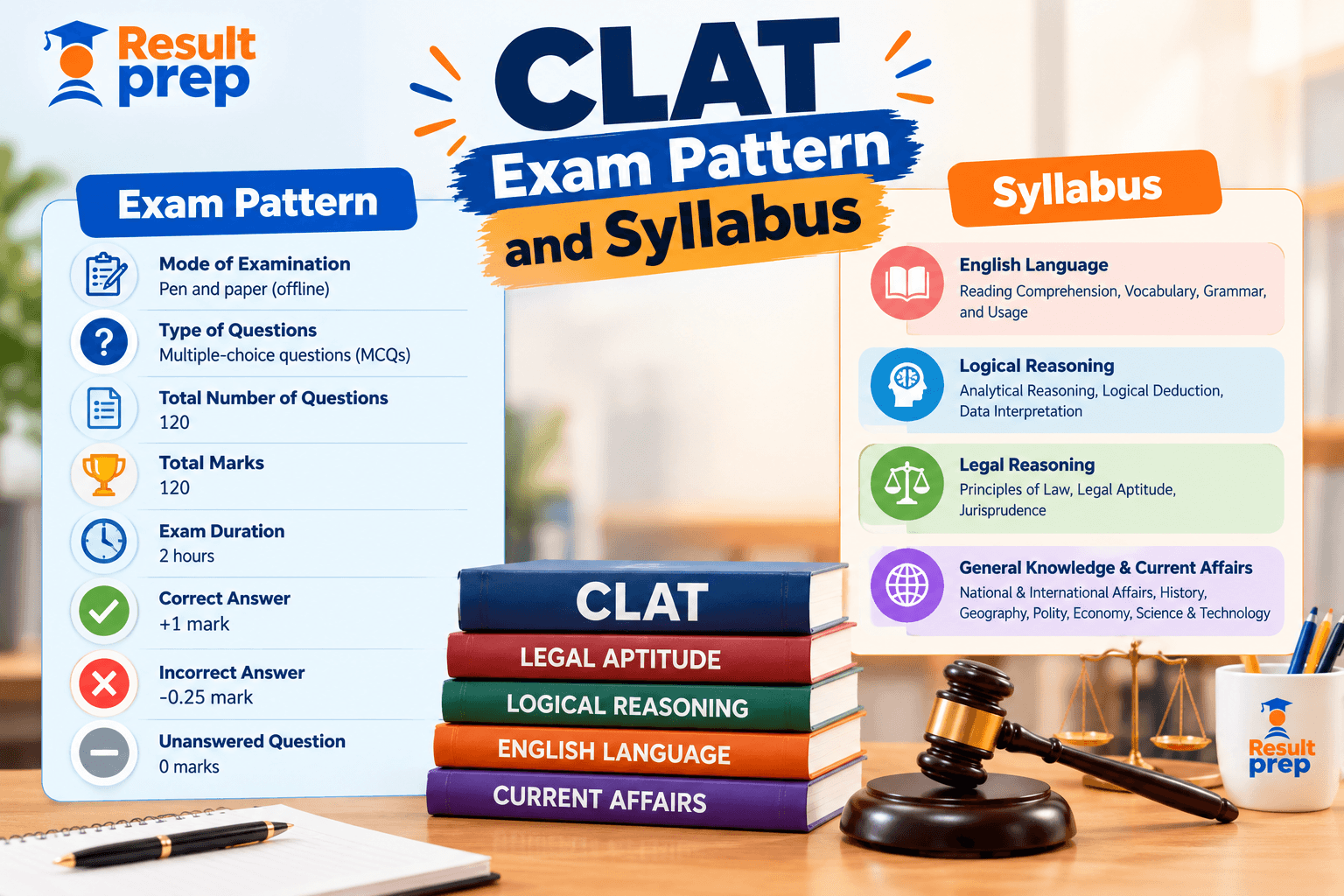
Everything Students Should Know About the CLAT Exam Pattern and Syllabus
The complete guide to the CLAT 2027 exam pattern and syllabus: 120-question passage format, 5 sectional syllabi, marking scheme, offline OMR logistics, and preparation roadmaps.
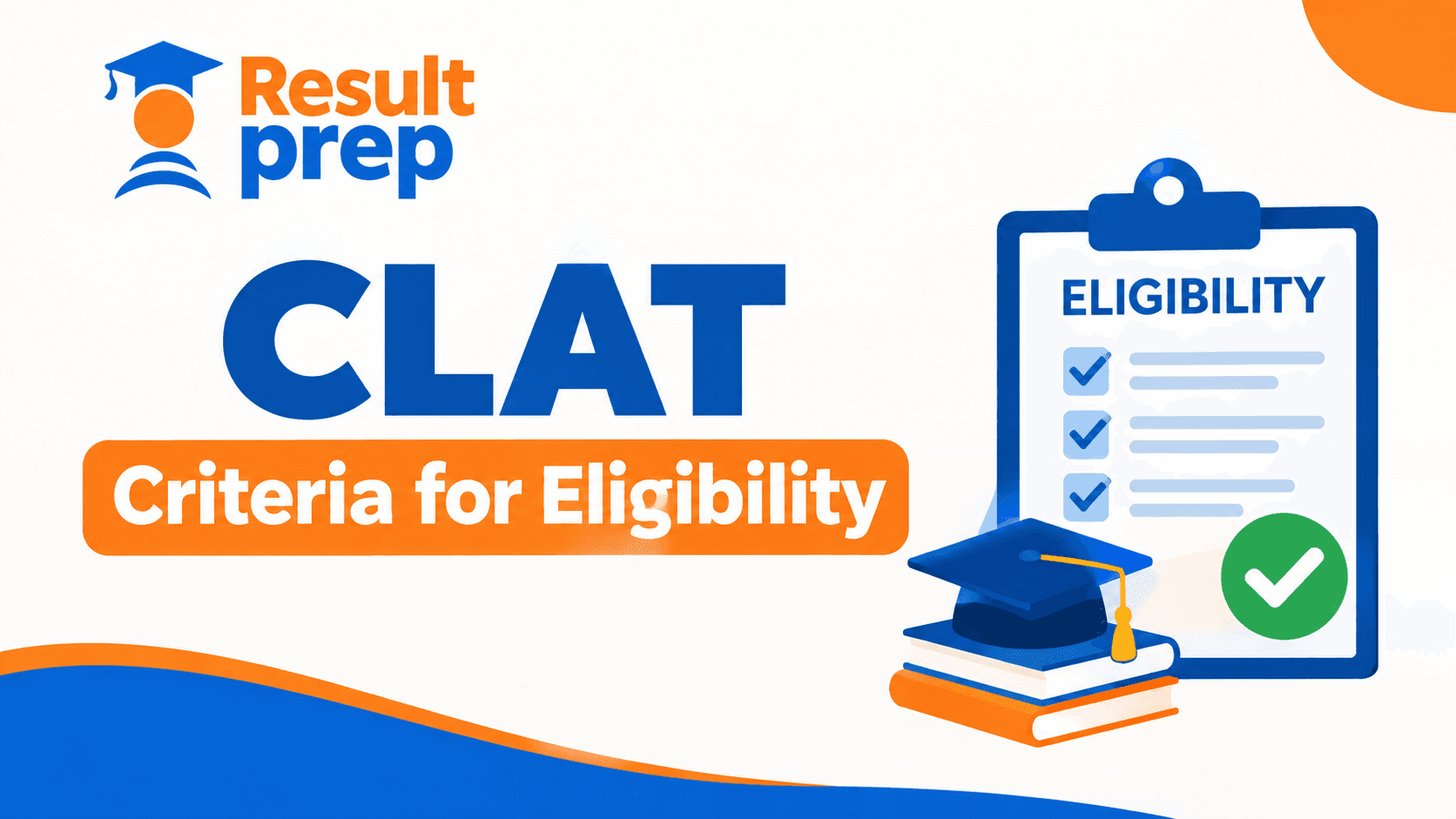
CLAT - Criteria for Eligibility: Age Range, Criteria, and Prerequisites
A complete guide to CLAT 2027 eligibility: Minimum marks in Class 12, no age limit rules, stream flexibility, reservation categories, and CLAT UG vs. PG comparison.
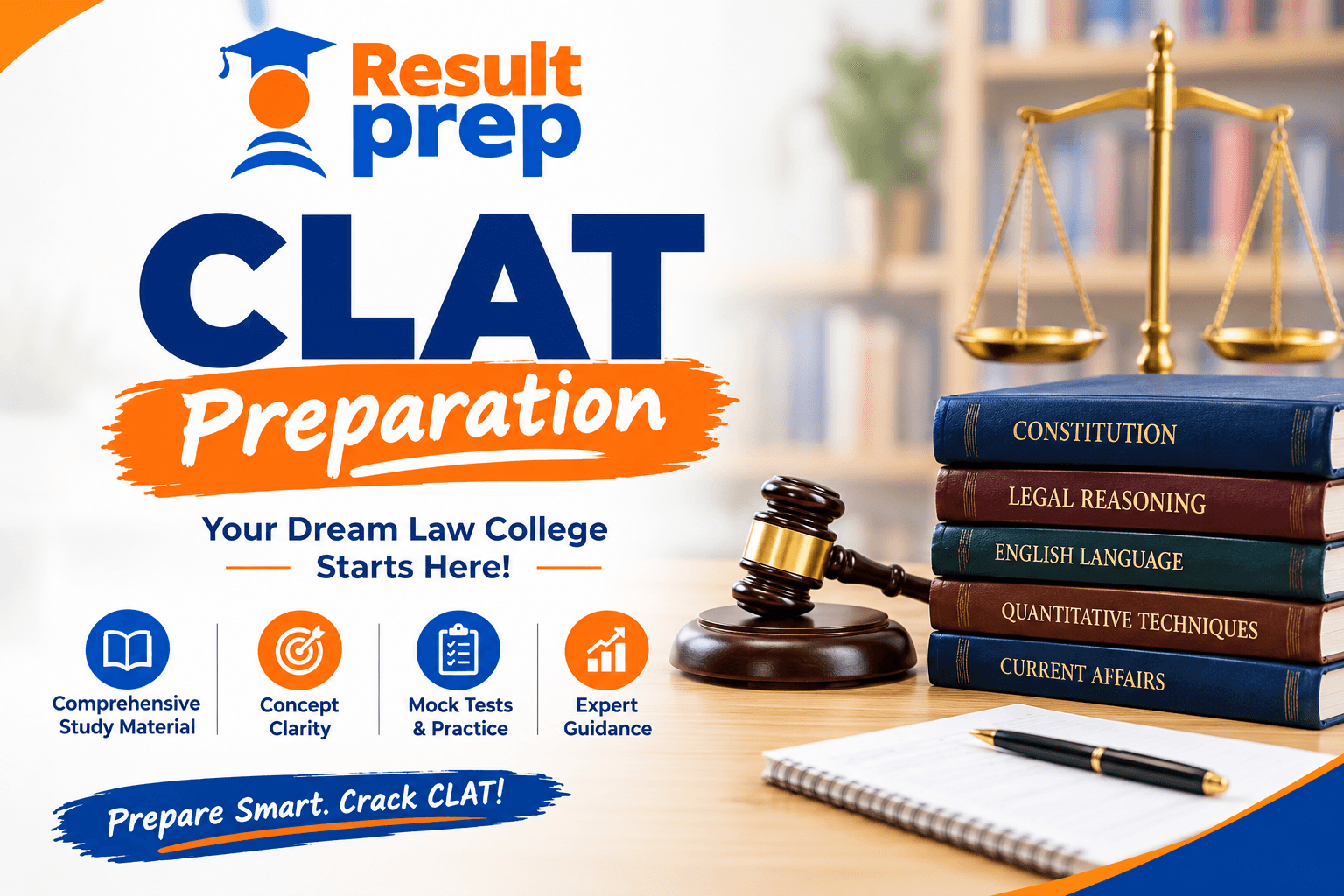
Preparing for the CLAT: A How-To Guide to Begin Your Journey into Law School
A comprehensive beginner's roadmap to kickstart CLAT preparation: Master all 5 passage-based sections, establish daily reading habits, build an error-free revision routine, and avoid common prep pitfalls.